Displaced by Fire or Flood? How Insurance Covers Temporary Housing in North Dakota
What families need to know about Additional Living Expenses coverage, what to look for in temporary displacement housing, and how to find a fully furnished home that feels normal while yours is being repaired.
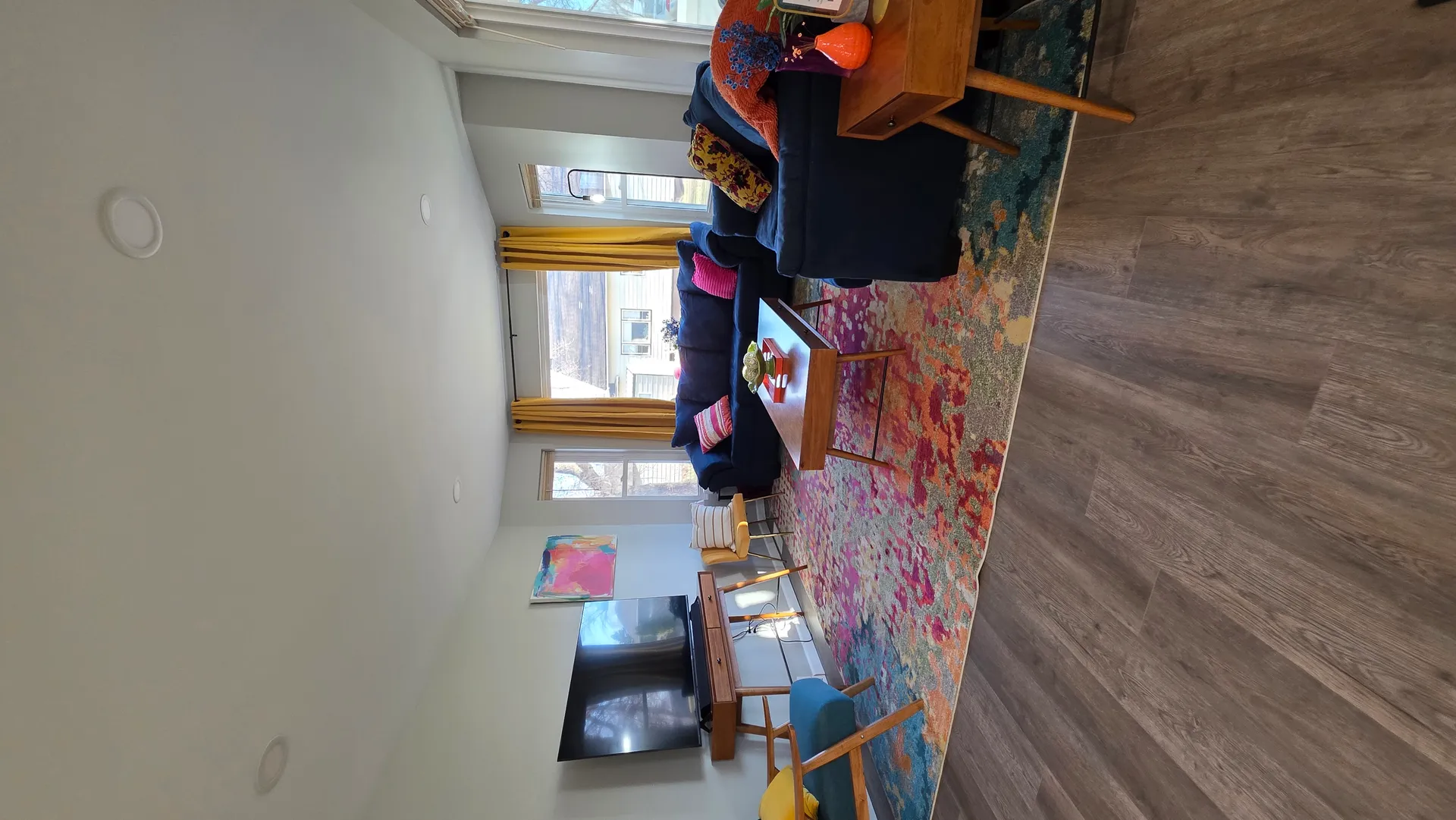
Nobody plans for a house fire. Nobody wakes up expecting a flood to push through their basement or a severe storm to tear off half the roof. But in North Dakota, where harsh winters, spring flooding, and summer storms are part of life, displacement happens more often than most people realize. When it does, the immediate question after making sure your family is safe is almost always the same: where do we live while our home is being repaired?
If you have homeowner's insurance, the answer is usually covered under a provision called Additional Living Expenses. But navigating that coverage, understanding what you're entitled to, and finding the right temporary housing can be overwhelming when you're already dealing with the stress of losing access to your home. This guide walks through how insurance claim temporary housing works, what to look for, and why a furnished rental home is almost always a better option than a hotel.
How Insurance Covers Temporary Housing After a Disaster
Most standard homeowner's insurance policies in North Dakota include a coverage category called Additional Living Expenses (ALE), sometimes listed as Coverage D on your declarations page. ALE is designed to cover the difference between your normal living costs and the increased expenses you incur while displaced from your home due to a covered peril — fire, wind damage, hail, burst pipes, flooding (if you carry flood insurance), or other qualifying events.
In practical terms, ALE typically covers:
- Temporary housing costs — rent for an apartment, house, or hotel room
- Increased food expenses — the difference between your normal grocery costs and eating out because you lack a kitchen
- Storage costs for salvaged belongings
- Laundry expenses if your temporary housing lacks facilities
- Additional transportation costs if your temporary location is farther from work or school
ALE coverage usually has a cap — often 20% to 30% of your dwelling coverage limit — and it remains active for as long as it takes to repair or rebuild your home, up to that limit. The key thing to understand is that your insurance company wants receipts and documentation. The more clearly your temporary housing is invoiced, the easier it is to get reimbursed.
What Displaced Families Should Look for in Temporary Housing
When your insurance adjuster gives you the green light to find temporary housing, not all options are created equal. Here is what matters most, especially for families with children, pets, or members who work from home:
Fully Furnished and Move-In Ready
You should not have to buy furniture, dishes, or bedding for a place you'll live in temporarily. The best displaced housing North Dakota has to offer comes fully furnished — beds made, kitchen stocked, towels in the bathroom. When you have lost access to your home, the last thing you need is to spend days setting up a temporary one.
All Utilities Included
Dealing with utility setup while managing an insurance claim is an unnecessary burden. Look for temporary housing where electricity, gas, water, sewer, trash, internet, and streaming services are already included in a single monthly rate. This also simplifies your insurance documentation — one invoice, one line item.
Flexible Lease Terms
Insurance claim timelines are unpredictable. Repairs might take six weeks or six months. You need housing with flexible terms that can accommodate your situation — no rigid 12-month lease, no early termination penalties. Month-to-month availability is ideal for families waiting on contractors and adjusters.
Space for Your Whole Family
A single hotel room does not work for a family of four. Children need space to do homework. Adults need a quiet place to make phone calls with contractors and insurance agents. Everyone needs a kitchen where they can cook real meals instead of eating fast food three times a day. A full-size house with separate bedrooms, a real kitchen, and a living room restores a sense of normalcy when everything else feels uncertain.
Why a Furnished House Beats a Hotel for Insurance Housing
Insurance companies will often suggest a hotel as temporary housing, and for a night or two that makes sense. But if your home will be uninhabitable for weeks or months, a hotel becomes miserable and expensive quickly. Here is how the two options compare for displaced families:
hotel Hotel
- Single room for the whole family
- No kitchen — eating out for every meal
- No laundry facilities in-room
- Daily housekeeping disruptions
- No private yard or outdoor space
- Expensive — $100-$150+/night adds up fast
- No sense of home or routine
home Furnished Rental Home
- Multiple bedrooms — everyone gets space
- Full kitchen — cook real meals, save money
- In-unit washer and dryer
- Privacy and quiet on your schedule
- Yard space for kids and pets
- Predictable monthly rate, often less per day
- Feels like a home, not a holding pattern
For insurance purposes, a furnished rental home often costs less than an extended hotel stay — especially once you factor in the increased food expenses from not having a kitchen. That means your ALE coverage lasts longer and you live more comfortably. It is a better outcome for you and for your insurance company.
103 Sheyenne Street: Insurance-Friendly Temporary Housing in McVille, ND
If you have been displaced from your home in central North Dakota — whether in Nelson County, Griggs County, Eddy County, or surrounding areas — 103 Sheyenne Street in McVille is a fully furnished, move-in ready option designed for exactly this situation.
Property at a Glance
The house includes everything a displaced family needs to maintain a normal routine: a full kitchen with cookware and dishes, a washer and dryer, comfortable beds in every bedroom, a living room with a TV, reliable internet for work and school, and off-street parking. You can move in the same day you call.
Documentation Your Insurance Company Needs
One of the most common headaches with insurance relocation housing is getting proper documentation for reimbursement. When you book 103 Sheyenne Street for an insurance claim stay, you receive:
- Itemized invoices clearly listing the nightly or monthly rate, dates of stay, and what is included
- A formal rental agreement on letterhead that your adjuster can attach to the claim file
- Receipts for every payment — no vague credit card charges to explain
- Direct communication with your host if your insurance company has questions or needs additional documentation
This level of documentation makes the claims process smoother for everyone. Your adjuster gets clean paperwork, your reimbursement is processed faster, and you can focus on getting your home repaired instead of chasing receipts.
Book Directly — No Platform Fees, No Middleman
103 Sheyenne Street is independently managed by host Toni Schafer. There is no Airbnb service fee, no VRBO booking charge, and no platform customer service line to sit on hold with. When you book directly, you communicate with Toni from the first phone call through the end of your stay. That direct relationship means faster responses, more flexibility on move-in dates and lease terms, and a single point of contact who understands your situation.
For insurance claim stays, direct booking is especially valuable. Toni can work with your adjuster, customize the invoice format if needed, and adjust the length of stay as your repair timeline changes — none of which is possible through a vacation rental platform.
Get in Touch
If you or someone you know has been displaced from their home and needs temporary housing in central North Dakota, reach out directly. There is no application process and no waiting period. Availability can be confirmed the same day.
Whether you are dealing with fire damage, spring flooding, storm damage, or any other covered event, you deserve more than a hotel room while your home is being rebuilt. A fully furnished house with space, privacy, and a real kitchen can make a difficult time feel a little more manageable.